Neuroergonomics & Cognitive State Modeling
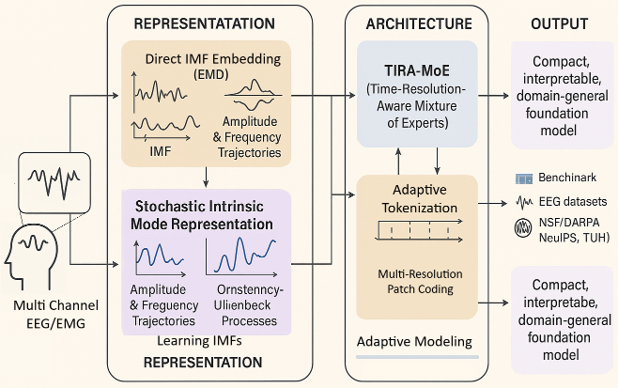
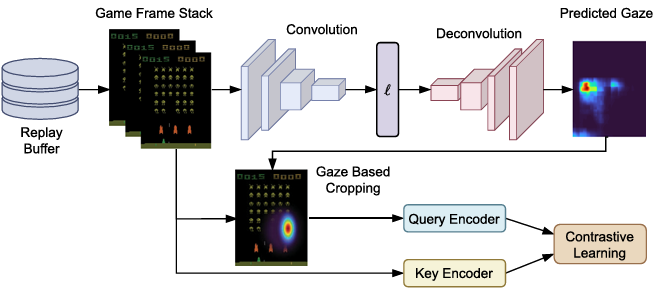
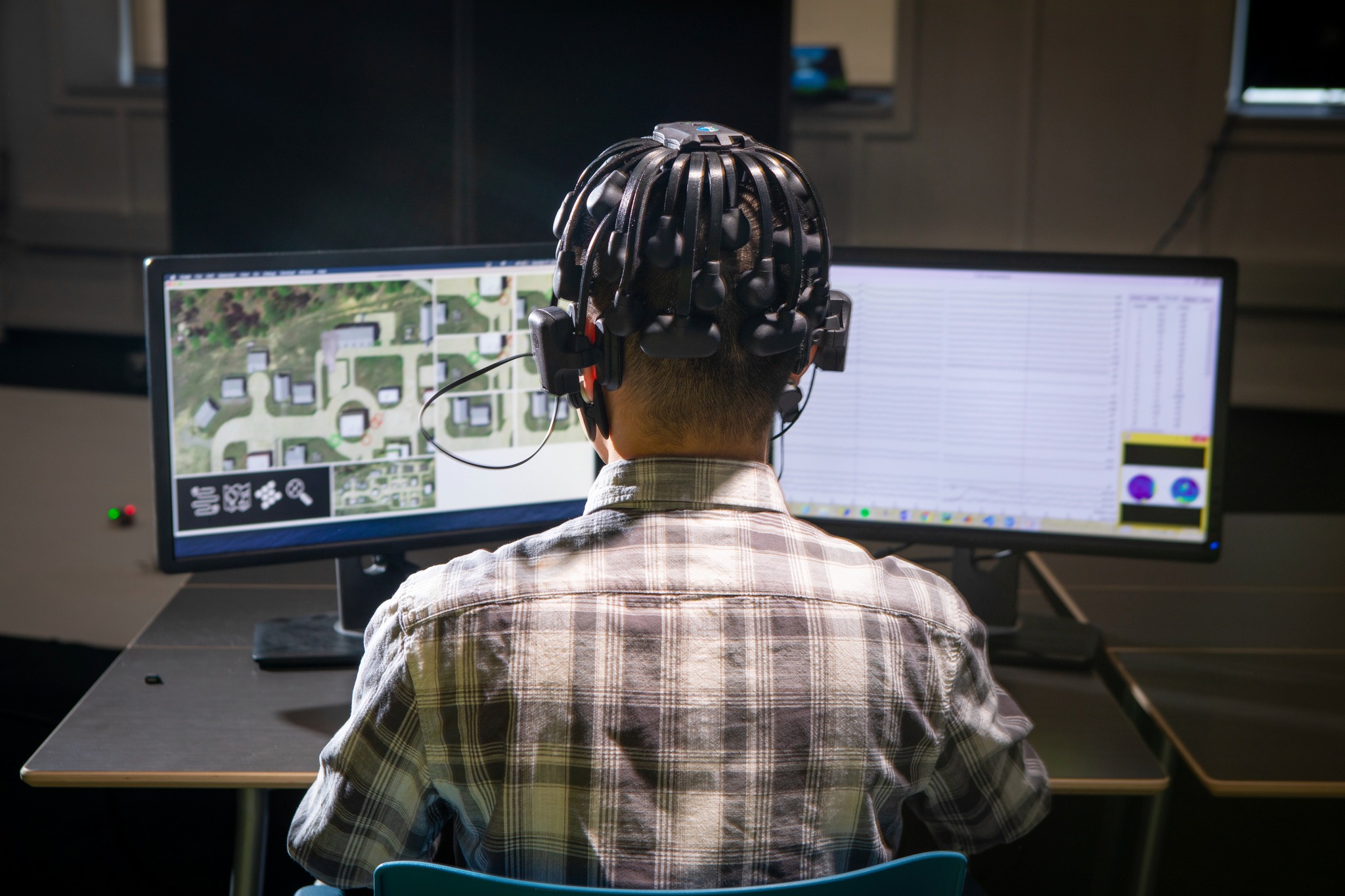
We use neurophysiological and behavioral sensing to model cognitive states that shape human interaction with complex systems. Our work examines workload, attention, situational awareness, trust, reaction time, motor-control difficulty, and engagement using EEG, EMG, gaze, and other physiological measurements.
- Brain-computer interfaces and neuroergonomics
- Cognitive workload, attention, trust, and situational awareness
- Neurophysiological modeling for human–swarm and human–robot interaction
- Multimodal classification of reaction time and motor-control difficulty